
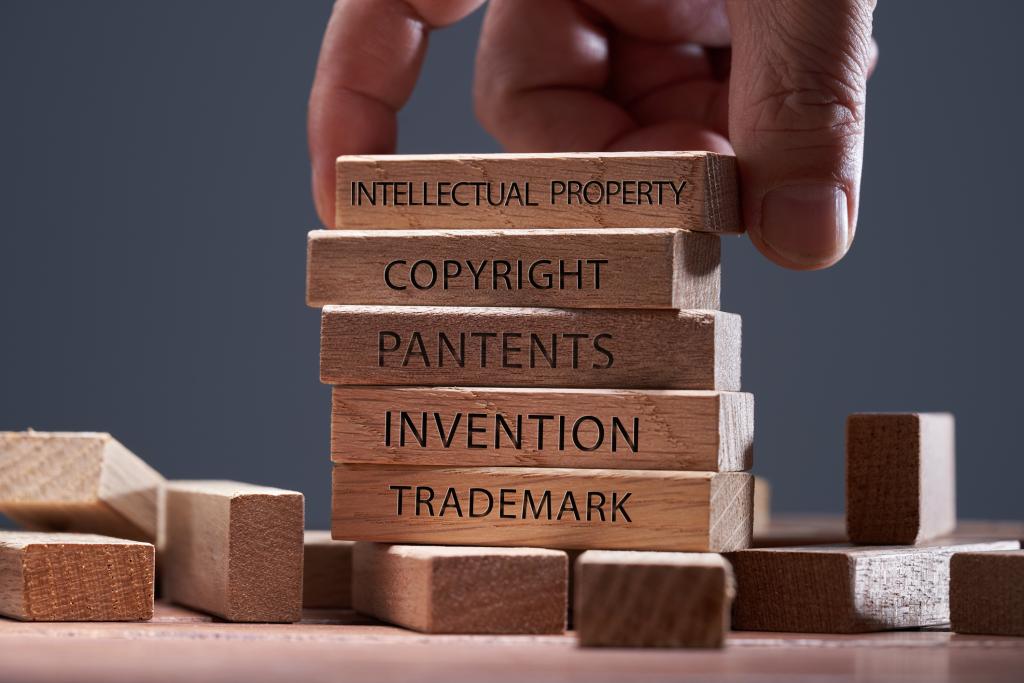
World Intellectual Property (IP) Day takes place on 26 April, celebrating the role that intellectual property plays in encouraging creativity and innovation. This year’s theme, “IP and Sports: Ready, Set, Innovate”, highlights the importance of IP in a sector that thrives on innovation, global recognition, and commercial success.
Why IP Matters in Sport
From elite athletes and internationally recognised competitions to sports brands, merchandise and cutting-edge technology, the sports industry is driven by intellectual property.
IP rights help to:
- protect the identity and reputation of sporting individuals, teams and businesses;
- support commercial exploitation through licensing, sponsorship and merchandising;
- prevent counterfeiting and unauthorised use; and
- encourage innovation by protecting new products and technologies.
Trade Marks: Identity and Reputation
Trade marks are at the heart of the sporting industry.
Major sporting events such as the Olympic Games and the Fifa World Cup rely heavily on trade mark protection to safeguard their names and branding. This allows organisers to control sponsorship arrangements, prevent ambush marketing and ensure that only authorised partners benefit commercially.
Trade marks are just as important at an individual level. Many athletes now operate as brands in their own right, with names, personal logos and even distinctive gestures carrying significant commercial value when properly protected. Well-known examples include Usain Bolt’s lightning bolt pose, which forms part of his wider brand identity, and Cole Palmer’s successful registration of a motion trade mark for his on-pitch ‘shivering’ celebration.
Trade marks also play a crucial role in tackling fake and counterfeit merchandise, which remains a significant issue in the sporting industry. Registration and enforcement of trade marks allow rights holders to protect both their reputation and fans from unauthorised products.
Designs: The Look
Design rights protect the appearance of products, making them particularly valuable in the sports industry, where visual appeal and product differentiation are key drivers for consumers.
To qualify for protection, a design must be new and have individual character. Design rights do not protect features dictated solely by a product’s technical function, but they can apply where creative design choices influence how a product looks.
In a sporting context, examples of what has been, and could be, registered as a design include:
- Sports kit designs, such as the layout of panels, colour blocking, striping and other visual features of clothing;
- Footwear designs, such as the shape and tread pattern of a trainer or football boot sole;
- Sports equipment, such as helmets, bats or protective gear; and
- Accessories and merchandise.
Design protection is particularly useful in fast-moving markets, such as seasonal kit launches, where it prevents competitors from producing look-alike products.
Patents: Innovation
Patents are central to innovation in sport, protecting new and inventive technical solutions that improve performance, safety or functionality.
In the sporting world, patent protection can apply to innovations such as:
- performance-enhancing sports equipment and accessories;
- sports prostheses used by elite athletes; and
- developments in sports drinks and nutritional supplements.
Unlike design rights, patents focus less on how a product looks and more on how it works. To be eligible for registration, the invention must be new, involve an inventive step and be capable of industrial application. Patents are crucial in encouraging research and development of new sports products.
Copyright: Content, Media and Fan Engagement
Copyright is highly relevant in the sporting industry too, particularly given the prominence of media and digital engagement.
In the sporting industry, copyright commonly applies to:
- broadcast footage of sporting events, such as live matches;
- photography, video and promotional content, including media used by clubs, athletes and sponsors; and
- websites, apps and digital platforms used to post content and engage with fans.
With sports increasingly consumed through streaming services, social media and online platforms, copyright plays a crucial role in managing how content is shared, reused and monetised.
World IP Day is a reminder that intellectual property lies at the heart of the sporting industry, protecting the identity, innovation and creativity that drives success on and off the field.
If you are in need with any of the areas mentioned above, then please get in contact with our Intellectual Property team.