
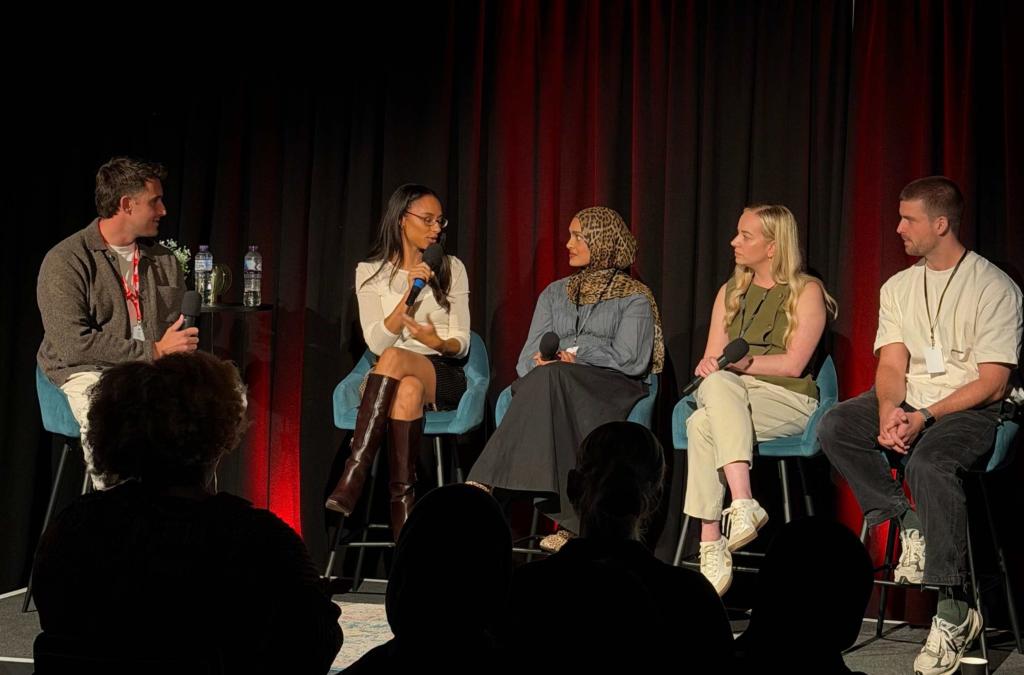
I was recently kindly invited to take part in FARQ Agency’s Collective Influence event, where we discussed diversity in the creator industry and what happens when creators experience serious racist, religious or other discriminatory abuse in connection with branded content.
The discussion raised an important contractual question. If a creator has agreed that content will remain live for a specified period, or has granted a brand rights to promote that content through paid media, what happens if the resulting exposure leads to serious harmful commentary?
Who monitors the comments? Who tells the creator, particularly where they cannot see what is happening on brand-controlled advertising? Can paid activity be paused? In serious circumstances, can the creator require the content to be removed?
These questions are much easier to address when the contract is being negotiated than when a campaign is already live.
The legal and contractual positions are different
There are existing laws which may apply to harmful online behaviour where the relevant legal thresholds are met, including the Protection from Harassment Act 1997. The Online Safety Act 2023 also forms part of the wider regulatory framework applicable to online services.
However, legal remedies relating to abusive behaviour are separate from the contractual relationship between creator and brand.
Where a creator has granted paid media rights for a defined period and the agreement is silent about harmful commentary, the creator should not assume there is an express contractual right to require the brand to stop using the content. The position will depend on the particular agreement and circumstances, but it highlights why creator protection should be considered at the contracting stage.
Building protection into the contract
There is a balance to be struck. Brands need certainty about the rights and deliverables they are paying for, but creators should not be left choosing between continued exposure to serious discriminatory abuse and potentially breaching their contractual obligations.
Rather than giving creators an unrestricted right to remove content following any negative reaction, a contract can provide a proportionate process.
The starting point is monitoring. The parties should consider who has visibility of the comments and who is responsible for monitoring them. This matters particularly where content is being promoted through paid media controlled by the brand and the creator cannot easily see what is happening.
Next comes escalation. The contract can identify what should trigger a response, who needs to be notified and who decides what happens next. Importantly, the contractual trigger does not need to mirror the threshold at which particular conduct becomes criminal. The parties can agree when intervention is appropriate, potentially taking into account the nature, persistence and volume of harmful commentary.
The next stage might be to pause paid activity while the position is assessed. In more serious cases, the parties may want to agree circumstances in which the creator can request that continued use of the content is removed.
The commercial consequences should also be addressed. If content does need to come down, could the creator provide replacement content or activity of broadly equivalent value? This can provide meaningful protection for the creator without necessarily depriving the brand of the commercial value it has paid for.
The process can therefore be thought of simply as: monitor, escalate, pause, remove and replace.
Paid media and creator protection
Paid media rights warrant particular attention because negotiations naturally focus on what the brand is acquiring: where content can be used, how long it can be used for and what the brand will pay.
However, increased usage can also increase a creator’s exposure while reducing their practical visibility and control. Creator protection should therefore form part of the discussion when paid media rights are negotiated, rather than being considered only once something has gone wrong.
This is not about making brands responsible for every comment made by a member of the public, nor should legitimate criticism automatically result in content being removed. It is about agreeing in advance how serious situations will be handled so that creators, agencies and brands understand their respective roles and what happens commercially if a campaign needs to change.
A wider industry conversation
There is already industry work around responsible influencer marketing and the prevention of harm. The discussion at Collective Influence highlighted the value of considering whether a more consistent approach to contractual creator protection could develop alongside that work.
An industry baseline could be particularly helpful for self-managed creators and others with less individual negotiating power. That does not require identical wording in every agreement. The appropriate protections will depend on the creator, campaign, platform, proposed usage and commercial arrangements.
What would be helpful is for the conversation itself to become routine. When negotiating what a brand can do with creator content, the parties should also consider what happens if that use has unintended and seriously harmful consequences.
Creator protection and commercial certainty do not need to compete. A clear contractual process can give creators greater protection while providing brands with certainty about when intervention may be required and what happens to their investment if a campaign has to change. For those negotiating influencer agreements, the key is to consider not only what the parties expect to happen when a campaign goes to plan, but also what they have agreed will happen when it does not.