
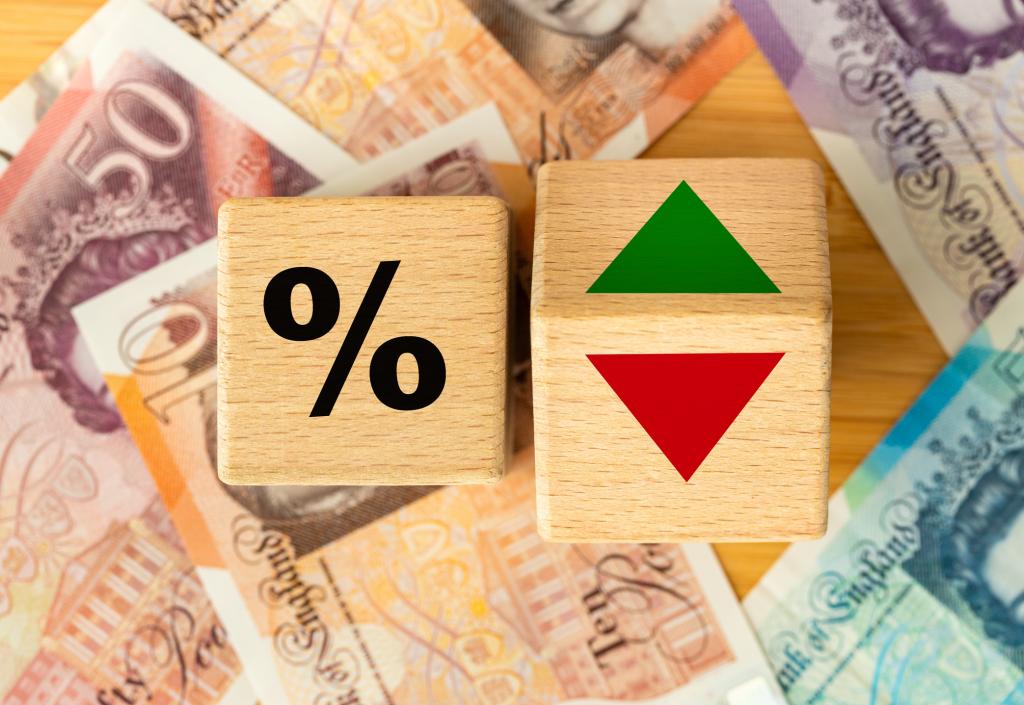
As part of the Autumn 2025 Budget, the 100% capital gains tax (CGT) relief was reduced to 50%. 50% of the gain on disposal to the trustees of an employee ownership trust (EOT) will now be treated as the seller’s chargeable gain for CGT purposes. The remaining 50% of the gain will not be chargeable at the time of sale but will bite on any future disposal of the shares by the trustees of the Employee Ownership Trust.
It is not possible for sellers to benefit from any other reliefs such as Business Asset Disposal Relief or Investors’ Relief.
The new CGT rate applies to sales to an EOT after 26 November 2025.
How does the 50% relief work in practice?
A seller will sell their business to an EOT, and they will report the sale and any chargeable gain on their self-assessment tax return for the tax year of the sale. The tax rate will be 12% for higher rate taxpayers (this being half the usual CGT rate). The CGT is due by 31st January after the tax year of the sale.
What issues are there under the new regime?
A seller could pay tax on sale proceeds that haven’t been received yet or at all. It might be possible for a seller to agree an instalment plan with HMRC if any deferred consideration is due over a period of longer than 18 months, but this is not automatically granted and is only possible for 8 years. The instalments of tax will be 50% of each instalment of consideration due under the share purchase agreement i.e. the seller and HMRC will be paid 50/50 of each instalment until HMRC is paid in full.
Why would a seller not choose to sell to an EOT?
If a seller wants maximum value, a trade buyer could offer to buy the business at an inflated price which cannot happen in an EOT. If a seller needs the sale proceeds quickly and cannot wait for the EOT to use the profits of the company to pay them over time, then a trade sale is the better route. If a seller wants to exit completely and have no further involvement in the business, then this is more likely with a trade sale.
Why would I still choose to sell my business to an EOT?
All the reasons for selling to an EOT are still there. The tax rates between an EOT and a trade sale are closer now, but an EOT is still the better tax rate. A seller and their advisors will need to model the proceeds of sale and factor in the CGT payments and the timing of the CGT payments. The £3,600 income tax free profit share for employees is still available.
A sale to an EOT can:
- Protect the company’s values, culture and independence which could be at risk if the business was sold to a competitor.
- Be faster and less disruptive than finding and keeping an external buyer.
- Be less expensive than a trade sale.
- Avoid integration issues and redundancies due to synergies.
- Motivate the employees – employed-owned businesses usually have more engaged, productive employees who stay at the business for longer.
If you need advice regarding this topic then please reach out to our Employee Ownership team.