
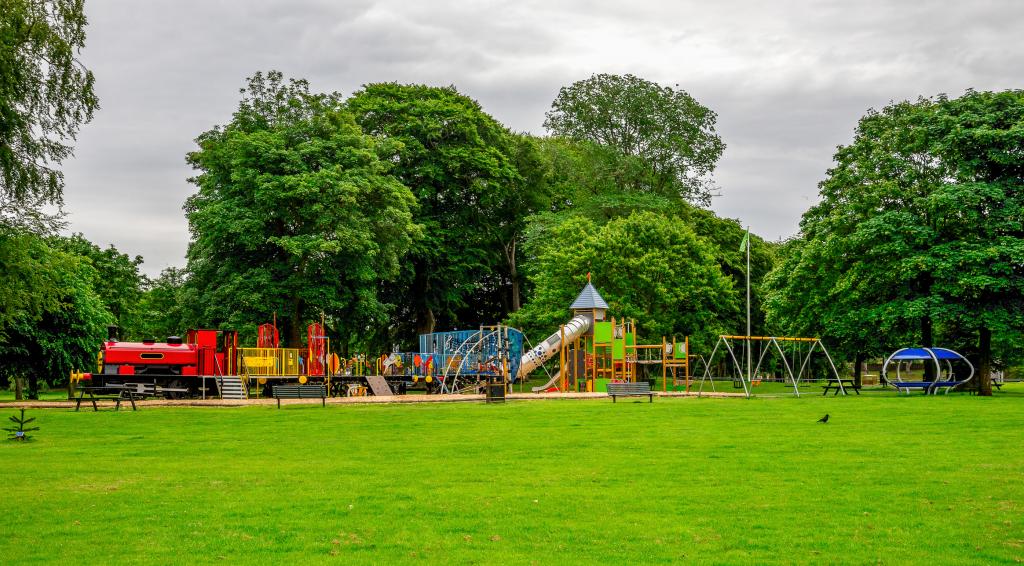
Principal councils are increasingly devolving buildings, parks and open spaces to town and parish councils, selling the idea of “localism” or “community ownership”. While these transfers can be empowering, they are rarely simple gifts, often accompanied by long-term financial, operational and compliance obligations.
The main risk is not bad faith by the principal council – it’s that the offerings assume the council is equipped to act as a fully-fledged commercial property owner and landlord. As the saying goes “there is no such thing as a free lunch”, so here are my top 4 areas to consider when a devolution deal is on the table:
1. Structure Matters
Whether it’s a freehold transfer or lease, key questions to consider are:
- Will they exclusively control the asset, or are overage, pre-emptions and step-in clauses included in the terms of the deal?
- Are development or change-of-use restrictions so tight that the asset cannot be repurposed if local needs evolve or council direction changes?
- Are councils taking on insurance, compliance and repair obligations identical to those of the principal authority — but without the budget?
In addition, when taking a lease, it is vital to avoid repairing liabilities that means the council must address severe disrepair, especially where the principal council has the ability to bring the lease to an end to take the property back once the hard (and costly) work is done.
2. Maintenance and Compliance Gaps
The most frequent problem is unfunded operational liability – councils often discover after the fact that there are no or limited sums being provided for ongoing maintenance; key facilities such as bins or play equipment are removed by the principal council prior to completion and will incur expense to replace; statutory compliance duties lie in wait for trees, play equipment, drainage etc or there are restrictions in the title hindering disposal or income-generation, even if running costs increase. These obligations can last indefinitely, and once accepted, are difficult to undo.
3. Commercial Use Risks
Councils understandably wish to generate income from devolved assets as pressure to keep precept contributions from their constituents affordable grows. However, it is important to look out for potential risks, such as leases unintentionally triggering Landlord and Tenant Act 1954 protections; VAT obligations being applied incorrectly so recovery ability is lost or commercial uses being ultra vires, legally beyond their powers.
4. ESG and Biodiversity Duties
Climate and biodiversity obligations are increasingly written directly into transfers, which give rise to hidden costs that might not spring to mind when initially negotiating a devolution deal. Examples of these are mandatory habitat or biodiversity management with inspection rights retained by the principal council; perpetual public access covenants or potential responsibility for net zero building upgrades at council expense.
How Can Councils Make the Best of Devolution?
Community asset transfers can be highly beneficial, but they require proper due diligence before the heads of terms are agreed, not after. Clerks should ensure councils understand the legal, financial and operational commitments fully before they agree to proceed.
If your council is negotiating a devolution deal with a principal council, now is the time to seek advice. We are currently advising town and parish councils on these issues and can review terms to protect flexibility and manage risk before it’s too late. If you would like more information please get in contact with our Social Housing team.