
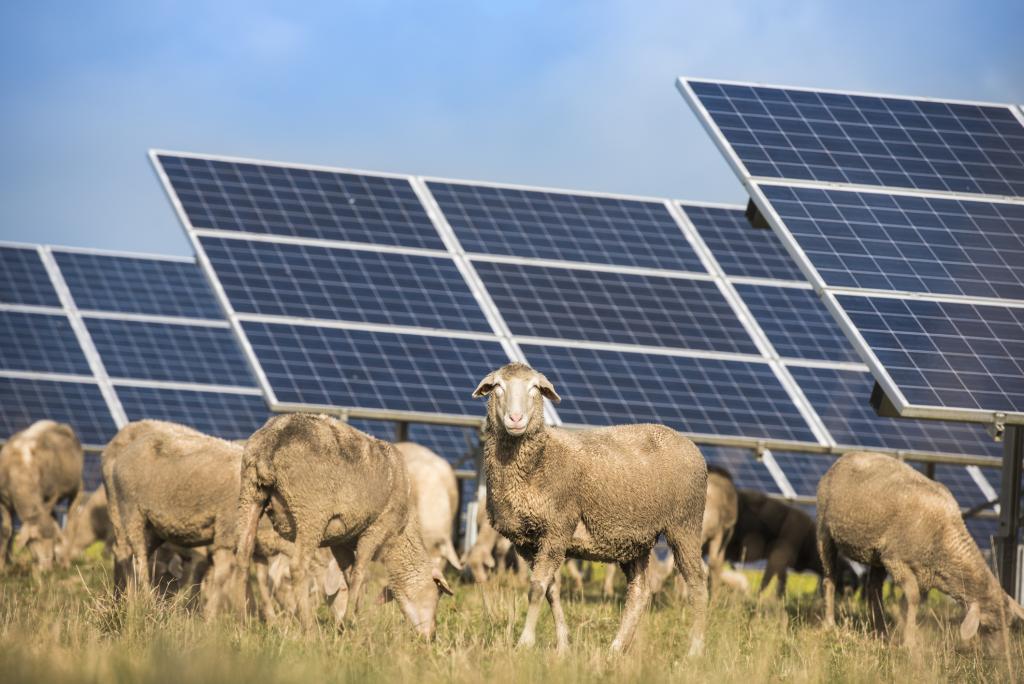
Being contacted by a renewable energy developer can be a daunting but appealing prospect. Developers may be seeking land for solar farms, wind turbines, battery energy storage systems, substations or associated grid infrastructure. For many landowners, this is their first experience of dealing with a renewables project and it can be difficult to know where to start.
The first thing to remember is that being approached does not mean you need to make any immediate decisions. Developers often approach landowners years before a project becomes viable and it is just the first step along the journey with planning permission, grid connections and surveys ultimately required to make the project viable. However, early decisions remain important.
Renewable energy projects can last for decades and the agreements that are signed today can affect how your land can be used for many years to come. Whilst the potential income can be attractive, it is worth taking time to understand exactly what is being proposed before committing yourself.
What Should You Do Immediately After Being Contacted?
The first step is to establish who you are dealing with. Not all developers have the same experience, financial resources or track record. It is sensible to investigate the developer’s background, review their completed schemes and understand whether any agents involved are acting directly for the developer.
You should keep detailed records from the outset, including correspondence, heads of terms, meeting notes and draft documents. Discussions may appear informal but accurate records often prove invaluable during negotiations.
Perhaps most importantly, landowners should resist pressure to move quickly. Renewable energy developers often work to demanding project timetables but these should not dictate the pace at which important legal and financial decisions are made. Before signing any documentation, a landowner should fully understand how a project may impact existing farming arrangements, agricultural tenancies, stewardship schemes and wider business objectives. Early legal, commercial and tax advice can often prevent costly issues in the future.
Key Points About Option Agreements and Exclusivity Periods
One of the first documents a developer may ask you to sign will be heads of terms for an option agreement. Although these are often noted as being subject to contract it is important to get advice on the commercial terms from the outset as you do not want to start negotiations on the back foot. However, the most important consideration is that they often contain an exclusivity provision preventing a landowner from engaging in negotiations with other renewable developers for a specified period.
An option agreement, in simple terms, gives the developer time to investigate viability while preventing the landowner from offering the same land to someone else.
In effect, the developer is paying to reserve a potential opportunity. The developer does not have to proceed with the project but if it decides to move forward and the necessary consents are obtained, it can serve an option notice requiring the landowner to grant a lease on previously agreed terms.
Although option agreements are often presented as an early-stage document, they can have long-term consequences. Landowners can sometimes focus on the immediate payment without considering what may happen years down the line if the project proceeds. It is therefore important to understand both the option agreement, and the lease that may follow.
Questions that should be asked include:
- How long can the developer keep the land tied up?
- How much will be paid during that period?
- What happens if the project never goes ahead?
- How will future rent be calculated?
- What rights will the developer have over the land?
- What happens at the end of the project’s lifespan?
Why Legal and Tax Advice is Crucial Before Signing Anything
The financial returns associated with renewable energy projects can be substantial and understandably attract interest from landowners. Nevertheless, it is important to remember that these arrangements are often long-term commitments that can bind the land and affect successive generations.
Specialist legal advice can help review option agreements, leases, easements, access rights and compensation provisions, while identifying issues such as lender consents, tenancies and restrictions.
Tax advice is equally important. Renewable energy developments can have implications for income tax, capital gains tax, corporation tax, VAT and inheritance tax. Particular care should be taken where Agricultural Property Relief or Business Property Relief forms part of wider succession and estate planning arrangements as renewable energy projects can alter the availability of those reliefs.
In addition, decommissioning provisions should be scrutinised carefully. Landowners should consider not only the obligation to remove infrastructure at the end of the project but also whether sufficient security is available to ensure restoration of the land if the developer ceases trading or fails to comply with its obligations. Despite its long-term significance, this issue is commonly overlooked in early discussions.
Common Mistakes Made by Landowners in the First Few Months
Some of the most frequent mistakes arise in the first few months following an approach. These include signing documents too quickly, relying on verbal assurances, accepting the first proposal without testing the market and failing to obtain specialist advice.
Landowners can focus on the headline financial figures without considering wider business impacts. Existing occupiers, contract farming arrangements and future land use flexibility all require careful consideration. It may also be sensible to think ahead to the farm’s own future energy requirements. Depending on the circumstances, there may be opportunities to negotiate direct energy supply arrangements or preserve flexibility for future on-site renewable generation.
Good record-keeping throughout negotiations is important. Maintaining an organised record of discussions, offers and draft documents can help to avoid misunderstandings and ensure that commitments made during negotiations are properly reflected in the final documentation.
Conclusion
A renewable energy proposal may represent a valuable opportunity but it is also likely to involve complex legal, tax and commercial considerations. Before granting exclusivity, signing any documents or disclosing significant information about a landholding, landowners should ensure they fully understand the implications of the proposal. Furthermore, most reputable developers will understand this and will agree to pay a landowner’s legal and land agent’s costs.
Early specialist advice can help secure stronger terms, protect long-term interests and ensure that any agreement works not only for today’s business but for future generations as well.
This article was written by James Snell, Associate and Neve McLennan, Trainee Solicitor in our Rural team.