
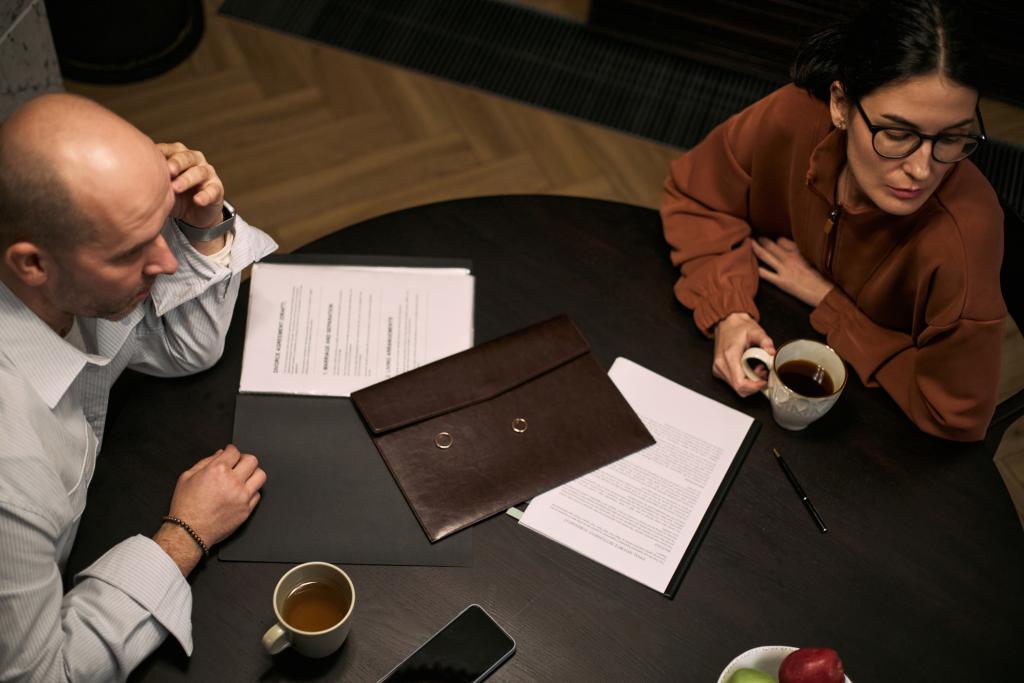
Over recent years, a huge amount of progress has been made towards devising creative pathways for families to resolve disputes that do not require them to engage with the family courts.
What Is Non-Court Dispute Resolution (NCDR)?
Non-Court Dispute Resolution (NCDR) and Alternative Dispute Resolution (ADR) are relatively recent concepts, driven principally through the wish of professionals to see their clients resolve family differences in a more dignified and respectful manner which the court process does not always allow for. More recently, this move towards avoiding court has been accelerated as a consequence of the delays many court litigants are made to suffer owing to the under resourced court service. Whilst rules exist providing for minimum timescales for many of the processes the court service is required to accommodate, those times scales are sometimes missed due to the heavy concentration of cases still going through the court and the limited resource available to deal with them. Whereas traditionally, a threat to start court proceedings has been something deployed to add some urgency and grounding to a case, in recent times, such threats promise only to delay the resolution of the case for even longer.
If you are advised to look at the court process as a forum to resolve your family law disputes, do feel able to question your solicitor about the appropriateness of this course and whether there is not another way of approaching the case. Ask them about the costs of the process and how long the process is likely to take. Ask them about alternatives to going to court if those alternatives have not already been raised with you.
Alternatives to Family Court Proceedings
Common alternatives now deployed by more dynamic family law offerings would include:
- A PFDR or early neutral evaluation – where a judge is hired for one or two days to hear the competing arguments in the case and providing an indication as to what they think the court would consider the appropriate outcome to be.
- One couple one lawyer, also known as Resolution Together through which one solicitor is appointed to advise both parties towards agreeing their differences.
- Shuttle mediation, where a couple and their solicitors attend the mediator’s office and the mediator moves between the rooms to coax movement and narrow the differences between the couple.
Benefits of Resolving Family Disputes Outside Court
These methods of resolving family disputes are often far less clinical than the court process and capable of injecting a more agile and creative approach to problem-solving than the two-dimensional application of the law will often provide for. They promote a more accommodating and understanding approach to both parties’ concerns and needs and will very often be far less expensive than the court procedure.
If you are advised to commence court proceedings, do think carefully about the pros and cons. If necessary, seek a second opinion. Once proceedings are started and the Pandora is out of the box, it is very difficult to stop the process and reset.
If this is something you would like advice with please fill in the form below.